In late spring, a local healer named Ramesh Thami would gather jatamansi roots in the central hills of Nepal. The fragile plant used to flourish under a fixed seasonal rhythm and was highly valued for its calming properties. Lately, however, the plants come out too late since the rains come early. Generations of herbal practice have been interrupted by that small but persistent change in timing.
Similar shifts are taking place across continents. Long prized for their therapeutic qualities, the plants are subtly changing—or failing to. The way these plants develop, where they grow, and—most importantly—what they contain are all being affected by climate change.
Key Context on Medicinal Plants and Climate Change
| Factor | Description |
|---|---|
| Climate Sensitivity | Many medicinal plants rely on specific temperature and precipitation levels |
| Threat to Active Compounds | Environmental stress can alter medicinal efficacy |
| Habitat Vulnerability | Droughts, fires, and floods destroy rare plant habitats |
| Extinction Risk | Over 20% of medicinal plant species face extinction risks |
| Conservation Strategies | Botanical gardens, seed banks, and cultivation programs are expanding |
| Future Focus | Climate-resilient species and sustainable harvesting are gaining traction |
For ages, societies lacking access to pharmaceutical supply chains have relied on wild medicinal plants as a safety net. Their dependability is waning these days. The metabolic profiles of these plants are changing due to prolonged droughts, more unpredictable temperatures, and increased UV exposure. Alkaloids and flavonoids are examples of active molecules that change with each growing season. What was previously a reliable treatment can today yield erratic outcomes or be hardly effective at all.
For both pharmaceutical firms and traditional healers, this heterogeneity has proven especially problematic. Changes in soil moisture and temperature can dramatically lower the efficacy of important plant chemicals, according to scientific research. For example, lavender may still blossom in Mediterranean areas, but when grown under heat stress, its essential oils have much diminished calming qualities.
There are certain improvements that are more positive. Stronger concentrations of active chemicals have occasionally been induced by climate-related stress, perhaps as a defensive strategy. This surge, though, is not steady or predictable. Researchers and farmers find it challenging to rely solely on natural harvests due to their volatility.
Following cooler air, several high-altitude species, such as rhodiola, have started to climb higher into the mountains by the foothills of the Himalayas. But beyond a certain point, there’s just nowhere else to go. In some areas of the Andes and Western Ghats, that silent edge—the ceiling of adaptation—has already been breached. Extinction is no longer a remote possibility for plants that are indigenous to those delicate ecosystems.
A few years ago, I saw bundles of herbs hanging from rafters like botanical laundry in a tiny apothecary market in Chiang Mai. A vendor informed me that a number of roots she had previously sold had risen in price—not due to increased demand, but rather because collectors could no longer locate them with ease. That remark stuck with me.
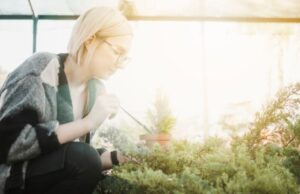
Currently, conservation organizations are working harder to record and protect medicinal species. Active research and propagation have replaced display-oriented design in botanical gardens. Genetic material is being stored in seed banks more urgently. Universities in China and Germany are testing climate-controlled greenhouses to model future growing conditions and prepare species for those shifts.
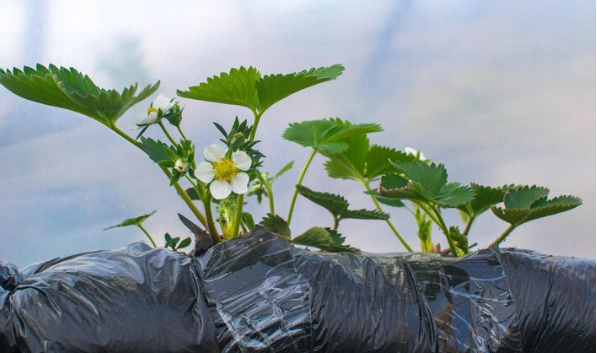
Simultaneously, horticulture is becoming more significant. More control over temperature, irrigation, and soil quality is available in domesticated growing conditions. Additionally, they lessen the strain on natural populations that are being harmed or overharvested by humans. For several plants, such as valerian or echinacea, this controlled culture has shown remarkable efficacy in maintaining potency and yield.
However, not all plants grow well under cultivation. Some depend on certain pollinators or intricate networks of soil microbes that are challenging to reproduce outside of their natural habitat. For some, foraging is just as significant as preparation because it is ingrained in cultural knowledge systems.
In Kenya, where mobile nurseries accompany nomadic herders, a particularly creative method has surfaced that enables small-scale growers to propagate herbs in accordance with seasonal variations. This approach preserves ecological knowledge in young people who might otherwise gravitate toward urban job markets while also improving access.
Only a small portion of the approximately 50,000 plant species used for therapeutic purposes worldwide have been thoroughly investigated. Researchers are utilizing geospatial mapping to forecast which zones would still be favorable for important species by 2050 as climate models become more complex. These forecasts are influencing export policies, agricultural zoning restrictions, and seed-sharing programs for rural farmers.
Countries are starting to incorporate medicinal plants into frameworks for climate adaptation at the policy level. Medicinal species are identified as both ecological assets and public health resources in India’s draft biodiversity strategy. In a similar vein, the National Adaptation Plan of the Brazilian Ministry of Health includes medicinal plants. Although these actions are little, they represent a change in perspective: plants are now viewed as active markers of environmental change rather than just passive victims of climate change.
Of course, this shift cannot be carried out by science alone. Any future approach must continue to focus on local populations, who are frequently the custodians of harvesting customs and oral knowledge. Their understanding of plant behavior, seasonal cycles, and ecological changes is remarkably comparable to what many researchers are currently formalizing using satellite data and remote sensors.
A surprisingly rich environment for adaptation is created by the convergence of conventional wisdom and contemporary science. By appreciating both types of information, we provide a stronger basis for both rethinking our usage of therapeutic herbs and protecting them.
Medicinal plants are subtly changing their future from residential balconies to highland woods. Instead of making grandiose declarations, a lab worker might sequence DNA from a vulnerable alpine root, a farmer might shade her peppermint rows, or a woman might switch from wild nettle to cultivated tea.