It wasn’t marketing efforts or wellness influencers that sparked the resurgence of interest in common herbs. It gradually came to light through data points that kept coming up, demonstrating that many plants used carelessly in gardens and kitchens produce effects that are strikingly similar throughout time and cultures. What used to seem anecdotal now seems measured, organized, and more convincing.
Garlic has been viewed as more of a habit than a medication for many generations. When colds loomed, it was used in soups; when winter persisted, it was used in stews. The persistence of innate impulses has since been explained by modern studies. Compounds with antiviral and antibacterial properties found in garlic promote cardiovascular health and help control blood pressure and cholesterol in ways that are remarkably consistent across demographics.
| Category | Examples | Core Healing Benefits | Common Ways Used |
|---|---|---|---|
| Culinary Herbs | Garlic, ginger, turmeric, cinnamon, basil, rosemary | Anti-inflammatory support, heart health, digestion, circulation | Cooking, teas, infusions |
| Calming Herbs | Lavender, chamomile | Stress relief, sleep support, skin soothing | Teas, oils, topical use |
| Digestive Support | Peppermint, ginger, sage | Gut relaxation, nausea relief, mental clarity | Teas, oils, fresh leaves |
| Immune Support | Garlic, echinacea, nettle | Antibacterial action, immune stimulation, fatigue reduction | Teas, supplements |
| Skin & First Aid | Aloe vera, lavender | Burn relief, wound soothing, hydration | Topical gel, creams |
| Reference | National Institutes of Health | Ongoing research on herbal compounds |
Although ginger has a more subdued reputation, it is especially helpful for ailments that don’t respond well to drastic measures. In addition to having anti-inflammatory qualities that assist lessen migraine and joint stiffness discomfort, it is used to ease nausea and soothe digestion. Its versatility is what makes it so appealing; it may be used consistently and without interruption in teas, marinades, and basic foods.
More carefully, the story of turmeric from spice rack to scientific journals emerged. Its main active ingredient, curcumin, has demonstrated strong antioxidant and anti-inflammatory properties, but early research identified an issue: absorption. Researchers’ observation that customary pairings with black pepper boosted bioavailability significantly helped to solve that puzzle, demonstrating how cultural practices frequently held useful insights long before laboratory testing verified them.
Often reserved for desserts, cinnamon has quietly gained recognition for its potential to help control blood sugar. Antioxidant-rich and sweet without added sugar, it’s a surprisingly cost-effective metabolic support strategy. Because of its modest effect, it may have gone unnoticed for a long time.
Basil holds a unique position that connects mental and physical well-being. It enhances clarity during stressful times, lowers inflammation, and supports heart health, particularly when it is in its holy basil form. The system is not overloaded. Rather, stress stabilizes it, a result that feels noticeably better when stress becomes regular rather than sporadic.
Originally written off as poetic exaggeration, rosemary has long been connected to memory. That notion has been challenged by recent research that associates its scent with enhanced concentration and blood flow. Instead of providing abrupt stimulation, the herb steadily increases awareness over time, which is a very dependable pattern for regular users.
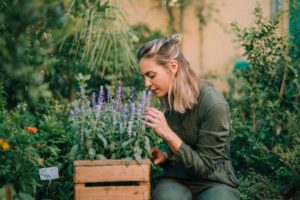
Herbs that have historically been cultivated for comfort and care have regained their reputation outside of the kitchen. With its unique aroma, lavender has relaxing properties that promote sleep, reduce headaches, and calm inflamed skin. It has a little but incredibly powerful effect that eases anxiety without impairing consciousness.
Peppermint acts more quickly. It is particularly helpful for gastrointestinal discomfort and irritable bowel symptoms because its oil relaxes the muscles in the gastrointestinal tract. Simultaneously, its scent increases attentiveness, a dual effect that seems incongruous until experienced.
Reinventing chamomile has never been necessary. It relaxes smooth muscles and calms the neurological system, which helps with digestion, anxiety reduction, and sleep quality. It provides relief without requiring attention thanks to its subtle yet incredibly effective method.
One notable visual reminder of plant-based care is aloe vera. Its leaves contain a gel that hydrates injured skin, cools burns, and promotes healing. Its simplicity, which produces reliable results with little processing, is one of its advantages.
Through years of research, the reputation of echinacea has changed, been discussed, and improved. It has long been used to boost immunity, but its capacity to lessen the intensity and length of cold symptoms keeps drawing interest. Although results differ, research persistence points to meaningful potential rather than chance.
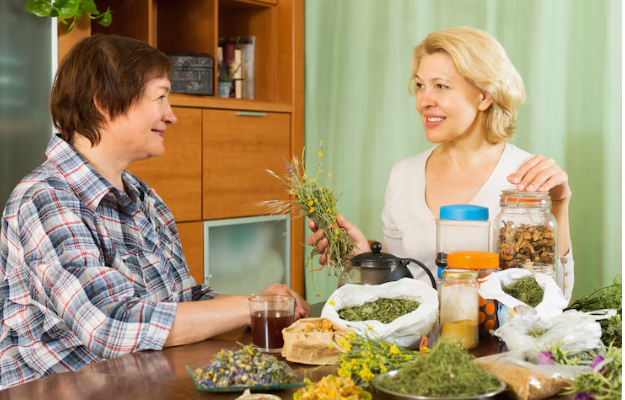
Herbs have always played a part in everyday living in rural and alpine areas. Lady’s mantle, nettle, lavender, and sage grow as useful companions rather than as novelties. Teas made from sage reduce inflammation and relieve sore throats. Lady’s mantle relieves menstruation discomfort and aids in digestion. Despite its sting, nettle provides iron-rich leaves that aid in detoxifying and fight weariness.
Complexity, not romance, is what attracts scientists to herbs. Rarely do herbs influence just one biological pathway. They act more like a swarm of bees than a single chemical, influencing digestion, circulation, inflammation, and mood all at once. Although each chemical has a limited function, when combined, they produce a well-coordinated and incredibly effective response.
This multifaceted approach is especially novel for long-term illnesses that don’t respond well to targeted treatments. Acute treatment is the specialty of modern medicine, but long-term health frequently requires balance rather than force. Herbs work along that schedule, bringing about slow changes that build up instead of exploding.
Scientists can now precisely measure results, examine interactions, and isolate molecules thanks to significant advancements in research equipment. However, numerous data support the suggestions made by conventional use. Here, science cannot take the place of experience. It interprets it.
Because they blend in so well with daily life, everyday herbs endure. They don’t require complicated schedules or prescriptions; they are brewed, cut, inhaled, and applied. Consistency, which frequently counts more than intensity, is encouraged by their accessibility.
The increased focus on herbs is indicative of a more general change in the way that healing is perceived. Health is no longer seen as an emergency reaction but rather as upkeep. Herbs inherently foster resilience rather than responding to breakdown, which is in line with that mindset.
What used to seem normal now seems subtly remarkable. Not because these plants changed, but rather because the lens through which they were viewed at last converged with the information that had been steadily and carefully accumulating throughout.