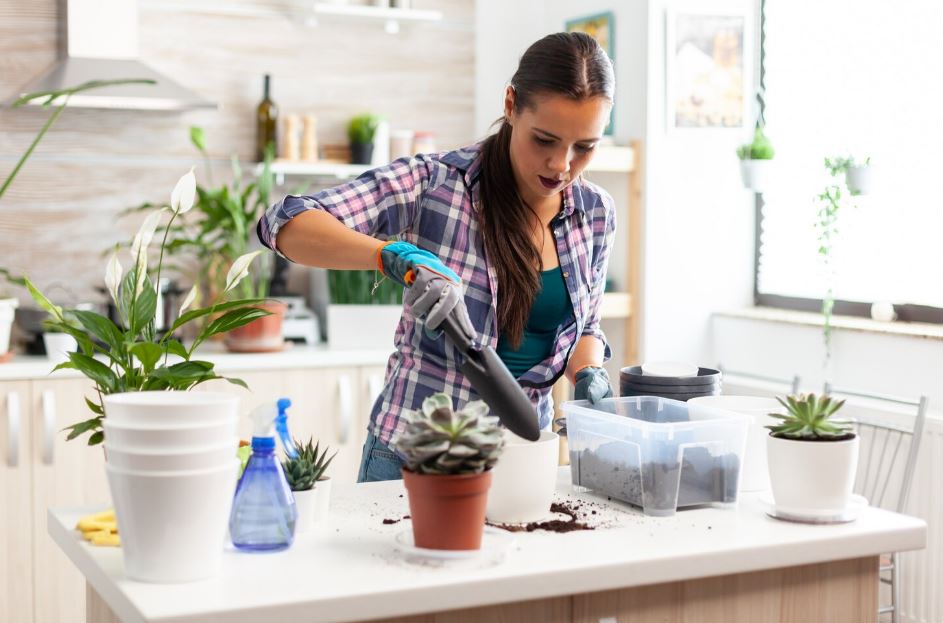
Although it seems almost poetic, the notion that health can emerge from the soil is remarkably scientific. The ability of gardening to heal, calm, and strengthen the body is remarkably similar to that of the medicine cabinet, even though it cannot take its place. Hands, soil, and health are more closely related than most of us realize, turning a peaceful pastime into a deeply healing practice.
Those who spend a few hours a week with plants report quantifiable increases in their energy and mood. Gardening is referred to by psychologists as “active meditation,” a mindful repetition that increases serotonin and dopamine while lowering cortisol, the body’s stress hormone. As a result, the calm feels organic rather than artificial. It provides a natural break from the bustle of everyday life and is especially helpful for people who are struggling with anxiety or burnout.
| Aspect | Description |
|---|---|
| Focus | Gardening as a complementary form of wellness |
| Mental Benefits | Lowers stress, anxiety, and depression through mindful activity |
| Physical Benefits | Builds strength, flexibility, and enhances immunity |
| Biological Factor | Soil microbes like Mycobacterium vaccae increase serotonin production |
| Lifestyle Advantage | Encourages nutritious eating and outdoor activity |
| Recommended Approach | Use gardening to support, not replace, medical treatment |
| Reference | National Institutes of Health – Gardening for Health |
Gardening is a very effective form of physical exercise that is passed off as leisure. Major muscle groups are engaged during digging, planting, and pruning, which also enhances flexibility and balance. Carrying watering cans or pulling weeds are examples of subtle activities that burn calories. Sunlight exposure increases the synthesis of vitamin D, which is essential for healthy bones and a strong immune system. Many people find that this soft, rhythmic movement turns into a self-care practice that feels achievable rather than coerced.
The soil itself is the subject of one of the most intriguing recent discoveries. Serotonin is released in the brain by microorganisms like Mycobacterium vaccae, which are naturally present in healthy soil. Numerous antidepressant drugs target the same neurotransmitter. In other words, soil has mood-enhancing qualities, demonstrating that caring for plants can be both therapeutic and beneficial.
Healthcare practitioners have been promoting gardening as an accessible form of therapy more and more over the last ten years. According to National Institutes of Health studies, gardening dramatically lessens the symptoms of chronic stress and depression. Emotional resilience is reflected in the act of caring for life, such as watering a sapling or pruning a vine. In times of recuperation or personal transition, the garden becomes a symbol of perseverance and advancement.
Culver City psychologist Angel Black witnessed this change firsthand. She and her husband transformed their backyard into what she refers to as a “living pharmacy” during the pandemic by replacing their lawn with raised beds, fruit trees, and herbs. Their project, which was created by Farmscape, was incredibly successful in lowering stress levels and enhancing the physical health of their family. According to Angel, it is “therapy that grows.” Since then, her story has encouraged families all over California to see gardening as prevention in its purest form, rather than just as décor.
The advantages to one’s physical health are obvious. Increased endurance, better heart health, and decreased blood pressure are all frequently reported by gardeners. Simple tasks like lifting soil, raking, and kneeling help improve muscle strength and coordination. This method of moving slowly and deliberately encourages longevity without the stress of working out. In that regard, a trowel could be among the most unexpectedly inexpensive medical purchases available.
Additionally, there is a nutritional benefit that medicine cannot provide. Individuals who cultivate their own vegetables typically consume more of them, incorporating fresh, chemical-free produce into everyday meals. Homegrown food strengthens the link between nourishment and vitality by reuniting families with seasonal eating. No store-bought supplement can compare to the satisfaction that comes from making a salad in one’s own garden.
However, as numerous professionals remind us, gardening is a supplement rather than a remedy. While homemade remedies and herbal teas can be calming, they cannot take the place of medical care. “Gardening restores the base of health; medicine repairs what’s been broken,” says clinical herbalist Dr. Madelon Hope. Instead of competing with one another, the two collaborate most effectively.
This well-rounded strategy is becoming more popular in the medical community. These days, “healing gardens” are incorporated into the campuses of hospitals and rehabilitation facilities. In patient recovery programs, these green areas have proven especially creative, reducing hospital stays, lowering the need for painkillers, and elevating mood. These findings have prompted healthcare designers to reconsider how nature and architecture can coexist for therapeutic purposes.
The simplicity of gardening is what makes it so emotionally appealing. In times when life seems uncertain, it provides control. Many people found solace in caring for plants during the pandemic as routines broke down. Their days were anchored by a rhythm that was established by the predictable watering, pruning, and harvests. It became a lifeline for many, a silent dialogue with nature when human connection seemed far away.
Social media trends like #BackyardPharmacy and #GrowYourOwnMedicine have taken off, demonstrating how people are turning windowsills and patios into miniature pharmacies. This is “wellness you can touch,” according to author and herbalist Adrian White. Her philosophy emphasizes how people can regain control over their health by cultivating herbs like lavender, thyme, and mint. In addition to being fragrant and tasty, these plants have very obvious functions, such as reducing anxiety, improving digestion, and boosting immunity.
In terms of finances, gardening is still surprisingly inexpensive. Weeks of herbal tea or seasoning can be made from a packet of basil or chamomile seeds, which is less expensive than a cup of coffee. It’s a long-term investment that pays off in terms of health when compared to the cost of prescription drugs or supplements. Even those who live in apartments can turn their small spaces into miniature wellness centers by growing tiny planters on windowsills.
There are cultural parallels between the plant-based wellness movement and changes in lifestyle and celebrity endorsements. Natural remedies have been promoted by Gwyneth Paltrow’s Goop and Oprah Winfrey’s “Wellness Wednesdays,” while public figures like Michelle Obama and Martha Stewart have made gardening a symbol of empowerment and balance. Despite their glitzy appearance, these endorsements reflect a broader cultural movement that believes health can and should be fostered.
Fundamentally, gardening provides something that medicine seldom does: involvement. It encourages individuals to take an active role in shaping their own well-being. Every bloom is a subtle declaration of care, and every sprout is a symbol of advancement. Furthermore, although no garden can take the place of vaccines or antibiotics, its impact on both physical and mental health cannot be overlooked.
Soil and science will probably be combined more than ever in the future of wellness. Imagine therapists recommending “30 minutes of sunlight and soil contact” in addition to medication, clinics with rooftop herb gardens, and diet plans based on locally grown produce. Healthcare could develop into something more comprehensive, compassionate, and long-lasting by incorporating these strategies.
Although it doesn’t replace the medicine cabinet, gardening is a lovely addition to it. There is a healing method that feels both age-old and remarkably modern between the sound of bees, the aroma of rosemary, and the warmth of sunlight on the skin. It serves as a reminder that sometimes the most potent medicine is already growing right outside the door.


Pingback: The Backyard Habit That Quietly Changes Your Evenings - My Blog