Tag: drying

  • Seed, Soil, and Science: Behind the Scenes of Herbal Supplements

    Seed, Soil, and Science: Behind the Scenes of Herbal Supplements

    A seed planted in soil that has been churned, tested, and adjusted to provide the tiny embryo what it most needs—water, oxygen, and just the right amount of warmth—is the beginning of a healing plant’s journey. A complicated tale of development, resiliency, and cautious human intervention emerges from that simplicity.

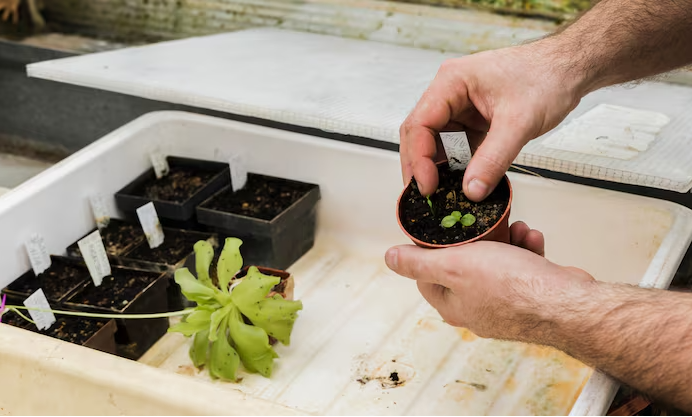
    Despite their small size, seeds have a lot of promise. Like coiled springs, they wait in their dormant state for circumstances that indicate it’s time to wake up. After they sprout, a shoot shoots upward toward light while a root pulls downward to anchor and nourish. A bad start can result in a weaker plant later, which can impact the entire cultivation chain and, eventually, the potency of a supplement. This early stage, known as germination and seedling growth, is crucial.

    Key Context — From Seedling to Supplement: Life Cycle of a Healing Plant

    StageDescription
    SeedBeginning of life cycle with an embryo enclosed in a protective coat
    Germination & SeedlingRoot and shoot emerge under proper moisture, oxygen, and temperature
    Growth & MaturityLeaves produce food via photosynthesis; plant strengthens
    Flowering & SeedingReproductive phase leading to seeds for next generation
    HarvestingTiming based on plant part used (roots, leaves, flowers)
    ProcessingDrying, grinding, extraction of bioactive compounds
    Supplement ManufactureFormulation into capsules, tinctures, powders, quality control

    The amazing process of photosynthesis—converting sunlight into the chemical energy that powers the plant—begins as the seedling gets stronger. The momentum of this stage is quite comparable to that of an apprentice developing into a craftsman: the fundamentals are grasped, but considerable improvement is still to come. A healthy plant will grow a stronger stem and a wider canopy of leaves, preparing it for maturity.

    The blossoming phase is symbolic as well as biological. A plant’s ability to reproduce is shown by its bloom, which is a change in energy that alludes to life and legacy cycles. Pollinators like bees are drawn to flowers, and their incredibly effective dance between blooms disperses pollen and guarantees the formation of seeds. Harvesters place a great deal of importance on when many medicinal plants flower; some compounds peak just before full bloom, while others concentrate in roots after seeds have set.

    Precision and intuition are key components of harvest time, which is affected by both experience and science. Some herbs have the largest concentration of bioactive substances in their leaves, while others have the richest roots following a growing season. For example, ginger is frequently dug in late fall, when its strong roots have collected the compounds believed to have relaxing and digesting properties.

    Plant material needs to be managed carefully after harvest. Any medicinal potential can be swiftly undermined by spoiling fresh roots and leaves, which are perishable. This is where prompt, thoughtful post-harvest handling becomes really helpful. Both timing and technique are needed for the following processes: washing away soil, moving materials to a drying station rapidly, and effectively eliminating moisture. I once heard from an experienced herb gardener that drying is both an art and a science: too much heat breaks down sensitive components, while too little allows mold to thrive.

    The plant is ready for processing after drying. After being cleaned and sorted, the material is ground into a powder. The concentrated essence of months of growth and care is contained in this powder, which has a familiar earthy aroma. The substance is then prepared into its final form using extraction techniques. Water can be used for teas, alcohol for tinctures, or other solvents for concentrated extracts. Each of these techniques has been chosen to most reliably extract particular bioactive chemicals; they are not chosen at random.

    The extraction facilities of today are quite advanced, more like chemistry labs than fields. Presses and tanks that separate, clarify, and concentrate plant components are managed by technicians. They ensure that the final extract is both potent and consistent—a crucial aspect of quality control—by precisely monitoring temperatures and pressures that would have appeared unattainable a century ago.

    Testing comes next. Pesticides, heavy metals, microbiological pollutants, and quantities of important substances are checked for in raw materials and final extracts. To quantify components like alkaloids or flavonoids, quality control teams employ chromatography and assays, producing data that provides a degree of assurance to both consumers and medical professionals. As a result of both customer desire for openness and regulatory norms, these checks have significantly improved over time.

    After being cleared, extracts are made into liquid tinctures, powdered blends, pills, or capsules. Packaging communicates identity and intent in addition to serving as a container. In addition to constituent names, labels list standardized extract levels, suggested dosages, and often the organic or ecological methods used in the production process. The story of the plant in the field and its ultimate application on a consumer’s shelf are connected by this layer of knowledge.

    However, the plant itself has already accomplished another crucial function: seed dissemination, even as these nutrients make their way into households. Seeds must locate fresh soil and growth possibilities when a plant’s reproductive cycle concludes. The techniques used by nature to accomplish this goal are incredibly clever. Like little helicopters let loose by the wind, dandelions’ fluffy parachutes float over fences, catching air currents. Coconut seeds and other floating seeds migrate across water and wash up on shore at random locations. Certain appetizing and meaty fruits are consumed by animals, whose excrement then disperses hard-shelled seeds into far-off meadows.

    The robustness of the plant depends on this stage of its development. Seeds scattered over more ground improve the species’ chances of survival by decreasing competition for nutrients and sunshine close to the parent plant. Additionally, they promote genetic diversity, which may increase the ability of future generations to adapt to changing environmental conditions. Essentially, seed dissemination is a bountiful fresh beginning as well as a climax.

    This cycle has a profoundly hopeful quality. It demonstrates resiliency and regeneration from seed to shoot, from bloom to harvest, and ultimately from seed to field once more. Even the industrial procedures used to create a plant supplement are a part of a broader continuity: meticulous science performed with attention to the patterns found in nature.

  • Where Folklore Meets Function , Inside the Modern Backyard Apothecary

    Where Folklore Meets Function , Inside the Modern Backyard Apothecary

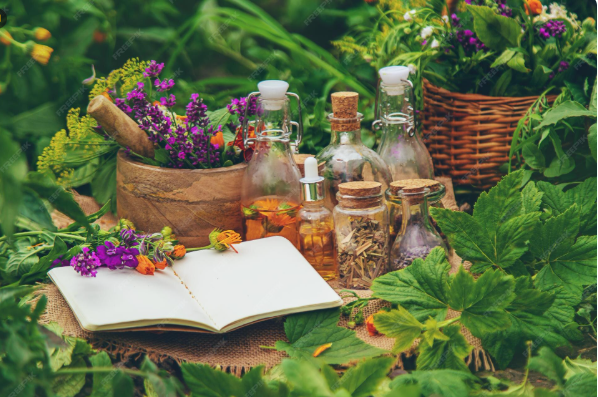
    Something ancient lies beneath the soil’s surface as yarrow peeks through a tangle of young leaves and mint emerges alongside chamomile in a peaceful nook of a suburban garden. People who are drawn to these areas are not trying to reject modern medicine; rather, they are learning that caring for a patch of herbs may be just as fulfilling as going for a morning stroll or writing in a notebook. A backyard apothecary, where plants and intention meet and therapeutic practices blend science and folklore, has been a growing phenomenon.

    There is a historical and evocative heritage to the term “apothecary” itself. Originating from the Greek word apotheca, which means “a place to store herbs and remedies,” it originally denoted a specialist who blended and administered medications, much like a modern pharmacist. Healing was quite local back then; remedies were cultivated, gathered, and produced within a community using empirical knowledge that had been passed down through the generations. The backyard pharmacy of today is a modern resurrection of that relational approach to health rather than a sentimental reenactment.

    Key Context — The Backyard Apothecary Revival

    AspectDetails
    ConceptPersonal gardens focused on medicinal and healing herbs
    Historical RootsApothecary traditions drawing from ancient Greek and global practices
    Common PlantsChamomile, yarrow, nettle, lemon thyme, calendula
    ActivitiesGrowing, drying, tincture making, herbal infusions
    PurposeSelf‑care, connection with nature, mindful wellness
    Books ReferencedThe Backyard Herbal Apothecary, Secret Medicines from Your Garden
    Contemporary EmphasisSafety, sustainable practice, integration with modern knowledge

    The pattern of bees flying from flower to flower and people going back to plant-based activities is quite similar: both are motivated by ecological intelligence. Gardeners that grow therapeutic plants are absorbing centuries’ worth of accumulated botanical knowledge, just as bees gather nectar to support their hive. Even if folklore energizes discussions about what a plant feels like or aims to do, many proponents characterize the process as empowering rather than supernatural.

    I was just walking through the well-labeled rows of nettle and lemon balm in an urban backyard when I saw how intentional individuals had become about their planting. The gardener, whom I happened to meet at a plant exchange, talked about her chamomile as if it were a reliable companion against restless nights. She claimed to have discovered throughout the years how the plant reacted to shade and soil, as well as how its subtle aroma tended to calm her kids before bed. A sense of agency over one’s own wellness practices is reinforced by this type of closeness with plants, which seems both strategic and personal.

    This tendency, in many respects, is a reflection of a change in the way individuals interact with their own health. Herbs used to be something you could buy at a store with a pretty label, but now you grow them, watch them, and work with them on a daily basis. This change has been especially helpful in cultivating mindfulness, which is the deliberate focus needed when caring for seedlings, tracking their development, and making tinctures or teas that could eventually become a regular ritual. It is a supplement to contemporary pharmacology rather than a rejection of it.

    Herbal medicines’ scientific foundations are also becoming more well-known, not only among enthusiasts but also in academic circles. Certain compounds, including the curcuminoids found in turmeric and the withanolides found in ashwagandha, have demonstrated quantifiable immunomodulatory and anti-inflammatory properties. This pharmacological foundation aids in bridging the gap between evidence-based methods and previously seemingly remote customs. Beyond its aesthetic value to the garden, it makes people care about the plant they care for.

    Nevertheless, it is crucial to approach this topic cautiously and with interest. Because of their biological activity, plants can have different health impacts depending on dosage, preparation, and individual physiology. Therefore, a backyard pharmacy can serve as a laboratory for wellness research, where observation and learning take place with purpose and care, but it cannot replace expert medical guidance. Herbalists place a strong emphasis on sustainable collection, safety, and accurate identification, particularly when it comes to wild species.

    Some urban gardening organizations have recently begun holding seminars on ethical herb farming. In addition to discussing soil and sunlight, these workshops include the integration of traditional wisdom into modern living. Facilitators frequently cite books like Secret Medicines from Your Garden and The Backyard Herbal Apothecary, highlighting the integration of historical viewpoints with useful, contemporary applications. People who wish to understand plants rather than just admire them will find these resources especially helpful.

    At one of these workshops, a participant talked about how taking care of her garden has unexpectedly improved her mental health. After a hectic day, she finds that cutting fresh herbs and creating a homemade salve reduces her stress levels considerably. She compared this activity to meditation. Because it struck a chord as something subtly deep about the relationship between humans and environment, rather than because it was dramatic, the revelation felt particularly apparent.

    There is an economic component to the tendency as well. Herb-filled backyards can lessen need on commercial products for everyday necessities, such as poultices for minor irritations, infused oils for dry skin, and teas for digestion. Growing medicinal plants at home is a surprisingly inexpensive option that rewards patience and stewardship more than consumer spending, even if modern wellness retail frequently markets them at a premium price.

    However, there is a cultural realignment taking place that goes beyond affordability and usefulness. The backyard pharmacy promotes a very interactive kind of self-education. After all, gardening is hardly a passive activity. It calls for tolerance, adaption, and observation—qualities that are incredibly useful in reducing the hectic pace of everyday life. Observing seedlings grow and develop serves as a silent reminder that advancement frequently occurs gradually rather than all at once.

    The way people discuss their gardens reflects this small step forward. Neighborhood get-togethers now frequently feature conversations about companion planting, soil enrichment, and pollinator care. Individual plant health serves as a stand-in for greater environmental consciousness in these discussions, which have their roots in ecology and community resilience.

    It is important to remember that the popularity of backyard apothecaries is not a passing trend. It is a progression that feels both practical and empowering: a move toward more participatory engagement with the environment and health. We develop a type of wellness literacy that is based on firsthand experience and ecological awareness by knowing the plants we grow and using them purposefully.

    The magic that people frequently talk about is relational rather than fanciful, such as how a cup of freshly brewed mint calms the mind after a demanding workday or how a steam of water scented with rosemary seems to calm a room. These moments of connection serve as a reminder that therapeutic techniques can be both age-old and surprisingly relevant in the modern world, even while they do not promise to cure all ailments.