Tag: How a Global Network of Gardeners Is Preserving Medicinal Diversity

  • How a Global Network of Gardeners Is Preserving Medicinal Diversity

    How a Global Network of Gardeners Is Preserving Medicinal Diversity

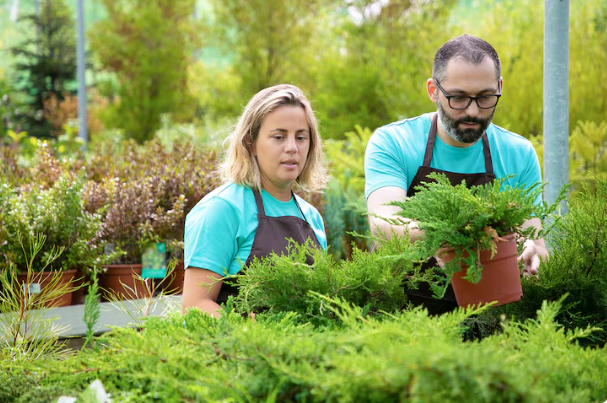
    A subtly coordinated campaign is taking place in backyards across the country and in cities. In addition to growing food, gardeners in Kenya, Costa Rica, Vietnam, and other places are protecting medicinal biodiversity. These areas function as living banks of plant-based healing and can range in size from small kitchen plots to larger communal gardens. Tucked away among basil and chili could be wild relatives of now-commercialized plants that are robust, drought-tolerant, or have pharmacological characteristics that make them exceptionally effective, as well as landraces of herbs known exclusively to local healers.

    Natural selection continues to refine the plants for the current climate in these gardens, which function almost as dispersed archives. Even the most advanced laboratories find it difficult to duplicate the dynamic adaptation of plants in such environments. These tiny holdings are extremely useful in preserving genetic diversity that would otherwise disappear, particularly in areas where industrial agriculture has displaced traditional crops.

    Key Context on Global Medicinal Garden Network

    ElementDetails
    Primary ActorsHome gardeners, botanical gardens, conservation NGOs
    Conservation MethodsOn-farm (in-situ), ex-situ (botanical gardens, seed banks), genetic sharing
    Knowledge IntegrationTraditional healer input, local knowledge preservation
    Supporting InfrastructureSeed banks, tissue culture labs, collaborative research networks
    Public EngagementWorkshops, garden tours, education programs
    Risks & LimitationsLow genetic diversity in isolated collections, clonal propagation issues
    Key CollaboratorsBotanic Gardens Conservation International (BGCI), Species360, universities

    A network of support from organizations with a wider reach is what increases their impact. Once thought of as passive exhibits, botanical gardens are now nodes in a more active network. They serve as controlled conditions for the study, propagation, and even reintroduction preparation of endangered species through seed banks, tissue culture facilities, and living collections. By facilitating coordinated activity, organizations such as BGCI make sure that no garden is left to operate independently.

    These gardens prevent duplication and keep track of which plants are flourishing where by exchanging comprehensive plant records via platforms such as Hortis. If a unique mint variety is grown in one garden in Argentina and its cousin is grown in another in Nepal, their cooperation may produce stronger strains, which would be especially helpful for upcoming medical studies. It’s similar to putting together puzzle pieces that are dispersed throughout continents.

    Cuttings, seeds, and even pollen are examples of genetic material that is exchanged in a reciprocal rather than transactional manner. Context is frequently included with the products delivered, such as generation-old brewing techniques, harvesting customs, or notes on preferred soil. Elders and regional herbalists have been invited to co-author the conservation narrative, which respectfully documents traditional knowledge rather than exploiting it.

    By integrating cultures, medical conservation is kept from becoming a sterile science. It is still firmly rooted, intensely local, and rich in context. These connections give researchers access to information that Western pharmacology could never discover through laboratory testing alone.

    When I was in Oaxaca, I recall a healer pointing out a bush that I had never seen before. It appeared unremarkable, but as she explained its applications and how her grandmother taught her how to make it, I was subtly amazed at how much knowledge could be contained in one garden row.

    However, there are actual difficulties. No matter how carefully identified or preserved, a single specimen in a botanical collection cannot ensure the survival of an entire species. A lot of collections unintentionally favor genetically limited samples or clones, which reduces their breeding value. The biodiversity is still dangerously low in the absence of deliberate cross-garden cooperation. The benefit, however, is evident: when gardens coincide—for example, one in Sri Lanka and another in Cameroon—their combined pool can represent a very dependable source for replenishing lost plants.

    A crucial supportive function is played by research. Research carried out in these environments looks at the chemicals found in roots, bark, and leaves. They investigate whether farmed plants lose or maintain their therapeutic worth, as well as how growth conditions impact potency. They establish a feedback loop by determining the ideal conditions, advising gardeners on how to increase production or potency while lessening the ecological strain on wild sources.

    Some gardens go one step further by experimenting with sustainable harvesting practices, especially those associated with colleges. They may experiment with partial clipping cycles or employ propagation to multiply without depletion rather than completely uprooting a plant. Once proven, these techniques spread through community-led demonstrations, training sessions, and films.

    Public relations initiatives help to clarify the mission. Families may not be aware that there are ongoing conservation initiatives behind the lily ponds and orchids in a botanical garden. However, these inquisitive guests are transformed into inquisitive allies through signs, storytelling workshops, or guided excursions. They could depart with ideas for their balconies, or at the very least, a renewed sense of gratitude for the invisible healing that is taking place beneath their feet.

    Will this network be sufficient to stop the fast extinction of plant species? Maybe not by me. However, Dr. Samuel Brockington pointed out that there is no technical justification for the extinction of any plant species. Coordination, not biology, is the limiting element. His argument resonated: we need to address the extinction catastrophe more directly, even though botanic gardens already have an incredible variety of plants.

    He is correct. Not only is biodiversity a climate metric, but it is also our silent insurance policy for undiscovered diseases, our nutritional safety net, and our medicinal library. It would be a kind of communal amnesia to treat it casually.

    Gardeners are doing more than just caring for plants with their consistent, everyday labor—watering, grafting, pruning, and recording. They are keeping options intact. And that may be one of the most useful, forward-thinking things somebody can do with a spade and seed in an era of environmental stress and drug dependence.