Tag: physical movement

  • The Subtle Art of Cultivating Calm Through Gardening

    The Subtle Art of Cultivating Calm Through Gardening

    Though it seldom comes with promises of change, gardening gradually builds emotional patterns in the same way that rain gradually changes soil. What starts out as a straightforward act of caring for plants frequently turns into a reliable counterbalance to busy schedules and incessant mental chatter.

    It doesn’t provide dramatic tranquility. It develops gradually through slow-moving processes. A lesson that feels especially helpful in lives influenced by quick input is that plants do not grow because you check on them frequently, and soil does not respond faster because you are eager.

    AspectKey Context
    PracticeGardening as a daily or seasonal habit
    Emotional effectReduced stress and improved mental clarity
    Core mechanismsRepetition, sensory engagement, physical movement
    Psychological benefitLower cortisol, stronger sense of purpose
    AccessibilityFrom window pots to full gardens

    When the body is moving with purpose, stress reacts differently. By drawing focus outward, digging, lifting, pruning, and watering help worried ideas become less entrenched without being confronted. While research indicates that engaging in outdoor activities dramatically lowers cortisol levels, the actual experience is more straightforward and compelling.

    Instead of encouraging stillness, gardening promotes presence via action. The intellect keeps up, the hands remain occupied, and the eyes follow every detail. Though the focus is on movement rather than stillness, the effect is remarkably similar to that of meditation.

    Screens don’t offer the same level of sensory depth. The smell of damp dirt is calming. Skin is brushed by leaves. Insects make their announcements without regret. Particularly after spending a lot of time indoors, these nuances anchor attention in a way that feels incredibly apparent.

    Repetition is crucial. Establishing daily routines, such as watering in the morning or inspecting the leaves at night, helps to balance the day. Repeating these routines without feeling rushed gradually teaches the nervous system to anticipate periods of peace rather than continual vigilance.

    Physical labor is also reframed by gardening. The body functions without being forced to do so. In methods that feel noticeably better rather than draining, muscles gradually get stronger, posture gets better, and endurance increases. With its great efficiency, the activity offers health advantages without the psychological barrier associated with formal exercise.

    Care can have purpose without requiring perfection. Plants suffer, bounce back, and occasionally fail completely. Resilience without harsh self-judgment is taught by accepting those results, and this skill is easily applied to everyday obstacles.

    Many gardeners report a change in their definition of success. Instead of speed, growth becomes the metric. A single leaf unfolding can serve as a powerful reminder that focus is important.

    Additionally, gardening presents time as a friend rather than a foe. You have to wait for seeds. Limits are imposed by the seasons. These limitations lessen the desire to hasten unavoidable results and promote patience, which gradually permeates other areas of life.

    Tiny areas are sufficient. The same ideas are conveyed in smaller by a single pot on a balcony or a few herbs on a windowsill. Because of its accessibility, gardening can be surprisingly inexpensive as a hobby, both monetarily and emotionally.

    It makes the notion of accountability feel doable. Consistency, not continual supervision, is what plants require. This equilibrium encourages self-assurance without exerting undue pressure, strengthening a sense of autonomy that endures despite changes in other obligations.

    Regardless of schedules, gardening helps people connect to cycles. Without commentary, growth, decay, and rebirth emerge, providing context in times of uncertainty. When routines elsewhere feel brittle, this connection frequently feels especially reassuring.

    While trimming seedlings, I recall recognizing that my thoughts had become quiet. I didn’t notice the silence until it had taken hold.

    Ambition is not as important as consistency. Emotional resilience is shaped much more successfully by a short daily routine that is repeated over weeks than by intermittent spurts of effort. Calm turns becoming a habit rather than an ideal.

    Additionally, the activity improves observational skills. Changes occur gradually, necessitating awareness of minute variations in posture, color, and texture. This focus frequently improves listening and patience in relationships and at work.

    Stress is not completely eliminated by gardening. It modifies the way stress is handled. Although difficulties still occur, they are handled more steadily and with less reactivity; this distinction is only apparent in hindsight.

    Tending to life without anticipating a quick return is dignified. Over time, such quiet conversation and growth-oriented work develops confidence that feels incredibly dependable.

    The resulting serenity is subtle. It doesn’t make an announcement. It shapes days from the background by settling into routines, responses, and expectations.

    Gardening demonstrates that effective care does not require a sense of urgency. A steady application of attention is sufficient. That lesson eventually spreads far beyond the garden, changing people’s perspectives on their jobs, relationships, and personal lives.

  • Why More People Are Replacing Antidepressants With Gardening Gloves

    Why More People Are Replacing Antidepressants With Gardening Gloves

    Something has been changing somewhere between the sound of pill bottles clattering and the soft rustle of tomato leaves. Trowels are becoming more popular than tablets. Although their motivations aren’t usually spectacular, the results are subtly significant. I’ve noticed it in the expressions of neighbors who used to hardly leave their houses and now converse like old friends over compost bins. The inspiration comes from the soil, not from fancy.

    Planting a seed and seeing it persevere through the soil with unwavering hope is almost meditative. Gardening requires present-moment awareness. You’re not plucking weeds while doom-scrolling. The sound of water saturating the earth, the murmur of bees, and the crunch of gravel are all audible to you. Despite their seemingly insignificant nature, these exercises are incredibly powerful at bringing nervous minds back to the present.

    Why More People Are Replacing Antidepressants With Gardening Gloves

    Key InsightDescription
    PracticeGardening used as a mental wellness intervention (ecotherapy/horticulture)
    Psychological BenefitsMindfulness, purpose, structure, social connection
    Biological BenefitsSoil microbes, vitamin D, physical movement
    Clinical InterestIncreasingly included in “green prescriptions” by healthcare providers
    Notable Risk ConsiderationGlyphosate (e.g., Roundup) may deplete serotonin and dopamine levels
    Supplement Not SubstituteGardening supports mental health but doesn’t replace professional care

    A garden doesn’t follow a timetable like therapy sessions or drug regimens do. It teaches its own tempo, which is forgiving, steady, and compassionate. Particularly for individuals managing erratic emotional states, such type of rhythm has a stabilizing influence. Knowing that all you have to do is water, weed, and wait is incredibly clear.

    What gardeners have long thought is gradually being confirmed by science. A naturally occurring soil bacteria called Mycobacterium vaccae has been connected to the synthesis of serotonin. You might be inducing a biochemical reaction akin to that of conventional antidepressants just by touching dirt. This isn’t a miracle treatment, of course, but it is a significantly better method of building mental resilience on a daily basis.

    The therapeutic fabric of gardening includes endorphins from exercise, vitamin D from sunlight, and a decreased cortisol response in green areas. Together, these components function as a healthy ecosystem, with each component supporting the others. The way this natural combination promotes sleep cycles and lowers physiological stress markers is especially advantageous.

    The emotional architecture of it all comes next. A modest but genuine pride is sparked when you see something you’ve been caring for flourish. You feel it even if you don’t need praise for growing mint in a pot. The sense of fulfillment that comes from having a well-nurtured life is quite intimate. Additionally, it’s fairly inexpensive therapy for many.

    Gardening experienced a comeback during the epidemic, albeit not as a pastime but rather as a coping strategy. Turning over dirt was suddenly a source of comfort to some who had never handled a spade. Waitlists for community plots and empty nursery stores were signs of the change. More significantly, though, it was evident in how people behaved—less browsing, more sowing.

    By 2023, medical professionals started incorporating ecotherapy into what is today known as “social prescribing.” Yoga and meditation were no longer the only practices recommended by doctors. They were urging their patients to visit green areas, participate in community gardening, or just get their hands dirty. When it comes to contacting people who might be reluctant about more therapeutic interventions, this strategy works incredibly well.

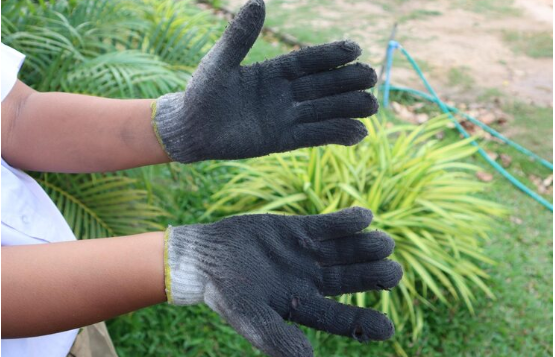
    There are, of course, restrictions. Prescription drugs should not be substituted by gardening, especially in cases of severe depression or mental disease. It is a supplement, not a replacement. Even though digging in the dirt is frequently praised, it’s a good idea to wear gloves for safety as well as to prevent cuts or dangerous germs. Gloves do not, however, negate the advantages of sunlight, exercise, and fresh air.

    The effects of herbicides like glyphosate are one thing I hadn’t thought about until recently. According to research from 2008, glyphosate exposure can actually reduce dopamine and serotonin, two neurotransmitters that are essential for controlling emotions. This implies that the soil itself is important for gardening to be a completely successful instrument for promoting mood. For those who choose this route, untreated soil and organically cultivated food may be especially crucial.

    As I read that, I reflected on my own compost pile, which is fortunately chemical-free, and wondered how many backyard gardeners unintentionally undermine their efforts by using pre-treated soil. The irony is subtly unnerving.

    Growing food adds another level of complexity for individuals who are incorporating it into their wellness path; it’s not just about what you do with your hands, but also about what you put on your plate. Consuming produce free of glyphosate and other pesticides becomes a mental health decision in addition to a dietary one. The way it reframes gardening as a full-circle therapy makes that connection—between growing and consuming—especially novel.

    Some cities have even started to subsidize gardening programs for vulnerable areas through strategic cooperation with local health agencies. These green areas are useful havens in addition to being lovely. They offer connection and dignity, which significantly enhances the wellbeing of those who might have experienced anxiety or loneliness.

    The terminology used when discussing gardening is also gentle. You take care of plants. Growth is “cultivated.” The majority of medical procedures don’t use these verbs. The way we discuss plants has a therapeutic, even poetic, quality. The entire procedure is more akin to caring for your soul than it is to curing a disease.

    Fundamentally—quite literally—gardening provides a sense of self-efficacy that is frequently absent from experiences that are medicalized. You’re not a patient. You are a cultivator. That’s a really powerful distinction.

    It’s difficult to overlook the physiological and emotional evidence that is mounting like a well-made compost heap, even though some people may laugh at the notion of gardening as medicine. Antidepressants will always be an essential and life-saving choice for a lot of people. The silent labor of tilling the ground, sowing seeds, and gathering life, however, can be equally transforming for others.