Not out of curiosity, but because the evidence has become too strong to ignore, doctors have once again begun to pay more attention to gardeners. Doctors are prescribing gardening in hospitals, colleges, and mental health facilities in the same way that they used to prescribe sedatives or antidepressants. The outcomes are remarkably comparable to those of conventional therapies, and occasionally even more successful.
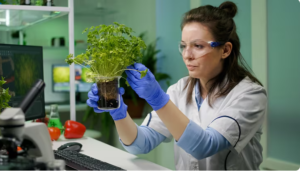
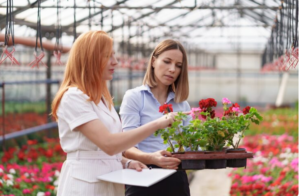
Researchers discovered that structured horticultural therapy sessions resulted in quantifiable psychological improvements at the University of Florida’s Wilmot Botanical Gardens. Professor of plant physiology Dr. Charles Guy called the program “a therapeutic approach hiding in plain sight.” In a study of healthy women who participated in several gardening sessions, his team found that those who spent more time caring for plants had much lower levels of anxiety and better general health. Like the dosage of a medication, the effect was cumulative, but without any of the negative side effects.
| Aspect | Description | Example or Impact | Reference |
|---|---|---|---|
| Therapeutic Gardening | Doctors recognize gardening as an effective therapy for mental and physical wellness. | Improves mood, lowers stress, and helps recovery from illness. | University of Florida – Wilmot Botanical Gardens |
| Green Prescriptions | Medical professionals now recommend time in nature or gardening activities. | The NHS issues “nature prescriptions” for anxiety and depression. | The Conversation UK |
| Biological Benefit | Soil contains natural antidepressant bacteria that boost serotonin levels. | Mycobacterium vaccae promotes relaxation and happiness. | Fort HealthCare |
| Cognitive and Physical Impact | Gardening improves attention, coordination, and reduces dementia risk. | Active gardening supports healthy aging and mobility. | KevinMD.com |
| Community Healing | Shared gardening projects create connection and reduce loneliness. | Strengthens communities and supports mental resilience. | University of Hull |
The Wilmot Botanical Gardens therapeutic horticulture program’s director, Dr. Elizabeth Diehl, stressed the value of consistency. “People’s spirits and souls can be fed by a continuous, purposeful connection to plants and nature,” she said. Her observation highlights a deeper reality about how humans and the earth interact: when we tend to plants, we frequently tend to ourselves as well.
This realization is not unique to Florida. In the United Kingdom, the National Health Service (NHS) has codified what it refers to as “green prescriptions.” Community gardens can now be recommended to patients with anxiety or depression in place of traditional medication treatments. Doctors in Shetland advise their patients to spend two hours a week in nature, a recommendation backed by strong research that demonstrates notable enhancements in mood and sleep patterns. This method, which combines environmental mindfulness with healthcare, is especially creative.
Part of what makes gardening such an effective therapy is literally hidden beneath the surface. Mycobacterium vaccae, a naturally occurring bacterium found in soil, increases the brain’s production of serotonin. This chemical reaction is similar to the goal of many antidepressants. To put it simply, there are biological advantages to getting your hands dirty. Soil exposure can function as a natural antidepressant, calming the mind and improving focus, according to research by Dr. Christopher Lowry of the University of Colorado. It’s a profoundly scientific and poetic discovery.
Gardening is incredibly beneficial for physical vitality in addition to mental health. According to research from KevinMD.com, older adults who regularly garden may have a 30% lower risk of heart attacks and strokes. Sunlight and movement are the two causes. Growing a garden works almost all of the body’s muscles and provides vitamin D, which fortifies bones and the immune system. Because it combines relaxation and physical exercise, gardening is a very effective low-impact preventive healthcare method.
Additionally, the practice is being rethought as a cognitive preservation tool. Physicians who treat Alzheimer’s and dementia patients have found that horticultural therapy improves communication and stimulates memory. Touching soil, smelling herbs, and hearing rustling leaves are examples of sensory engagement that promotes emotional stability and helps reconnect neural pathways. It’s more than just therapy; it’s a return to the organic rhythm of life.
Yvonne Black, an English researcher, has been investigating the ways in which community gardens improve social well-being in Hull. Shared gardening experiences foster teamwork, lessen loneliness, and increase emotional resilience, according to her work with the Rainbow Community Garden. Veterans and people with mental illnesses were among the participants who reported feeling noticeably more connected and purposeful. Black reiterated the age-old idea that wellness is intrinsically communal when he said, “No one is an island.”
Gardening turned into an unanticipated haven during the pandemic. People found solace in witnessing something flourish when fear and uncertainty spread. Sales of plants and seeds surged, and pictures of backyard harvests and balcony gardens flooded social media. It was a kind of therapy rather than just a pastime. The steady rhythm of a garden provides a comforting sense of continuity during times of crisis, as The New Yorker pointed out. The act of sowing seeds came to represent hope.
Physicians observed the trend. Regular gardeners reported feeling less irritable, eating healthier, and sleeping better. A feeling of mindfulness—a calm concentration that took the place of the never-ending buzz of digital life—was also mentioned by many. Gardening required patience, care, and attention—qualities that are frequently undermined by modern living. People were cultivating presence through the cultivation of plants.
This green movement has been made more widely known through the subtle but effective influence of celebrities. The famous domestic expert Martha Stewart frequently calls her garden her “therapy studio.” In his wellness documentary series, actor Zac Efron attributed his mental equilibrium to sustainable farming. Michelle Obama’s White House garden even represented a return to conscious nourishment and natural living. Their narratives humanize a more general cultural shift in which personal and literal growth is prioritized over consumption.
More and more medical professionals are considering these lifestyle choices to be part of holistic medicine rather than pastimes. Therapeutic horticulture is “a tool in the healthcare toolbox,” according to Dr. Craig Tisher of the University of Florida. According to his research, patients can benefit from structured gardening programs in addition to traditional therapy by recovering more quickly and maintaining emotional equilibrium for longer. Community-based gardening initiatives have even reduced the need for follow-up visits and medication in certain instances.
There are significant societal ramifications. Healthcare systems can improve public health outcomes and lessen their environmental impact by encouraging green prescriptions. More gardens translate into cleaner air, more resilient communities, and greener urban areas; fewer medications translate into less pharmaceutical waste. It turns out that gardening improves the environment and strengthens ties within the community in addition to healing the body.
The larger lesson is surprisingly relatable. The proactive approach to healthcare, which focuses on promoting well-being, is replacing the reactive approach, which aims to cure illness. This idea is perfectly embodied in gardening. Participation, not consumption, is what it is. It cannot be rushed, automated, or outsourced. It necessitates care, patience, and time—elements that are lacking in a lot of contemporary healthcare.
It’s recognition, not nostalgia, when doctors start paying attention to gardeners again. Originally a private retreat, the garden is now a communal area for resilience and healing. It serves as a reminder that advancement can occasionally mean rediscovery rather than invention. Medical practitioners are reintroducing balance to medicine by going back to the soil. The advice is straightforward: plant something, take care of it, and allow it to take care of you in return.