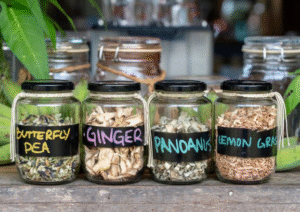
Today’s healthcare systems are at a fascinating crossroads: one is based on soil, leaves, and centuries-old customs, while the other is paved with technology and synthetic compounds. Medicinal plants are becoming a particularly creative link between advancement and preservation as researchers look for ways to improve healthcare sustainability.
Experts in botanical gardens and research facilities are reexamining a fact that our ancestors knew deep down: plants have the power to heal ecosystems as well as bodies. Their natural chemistry offers relief, resilience, and regeneration—qualities that contemporary healthcare, particularly under pressure from cost and climate change, is now desperate to imitate.
| Aspect | Description | Example or Impact | Reference |
|---|---|---|---|
| Global Reliance | Around 80% of developing populations depend on medicinal plants for primary care. | Herbal remedies remain vital in remote and underserved areas. | World Health Organization |
| Modern Medicine Link | Many leading drugs originate from medicinal plants. | Aspirin from willow bark, morphine from poppy, and Taxol from yew trees. | SpringerLink |
| Environmental Role | Herbal farming supports biodiversity and reduces waste. | Regenerative cultivation enriches soil and protects pollinators. | Frontiers in Pharmacology |
| Economic Value | Rural communities rely on medicinal plant trade for livelihoods. | Herbal farming creates income and promotes sustainable growth. | ResearchGate |
| Climate Risk | Shifting temperatures threaten medicinal plant potency and survival. | Reduced active compounds in herbs such as mint and sage. | National Institutes of Health |
For almost four billion people, medicinal plants continue to be the cornerstone of healthcare, according to World Health Organization studies conducted over the past 20 years. They are frequently the first and only readily available treatment option in rural areas. However, this reliance is not limited to developing nations. While clinics in Berlin recommend chamomile tinctures in addition to antibiotics, wellness enthusiasts in Los Angeles consume ashwagandha smoothies. The phenomenon of a collective return to the foundations of healing is remarkably similar.
The capacity of these plants to support both themselves and their environment is what makes them especially advantageous. The natural growth of medicinal plants, which take their nutrients from the soil and sunlight, contrasts with the energy-intensive manufacturing and chemical processing of synthetic pharmaceuticals. Their cultivation frequently promotes biodiversity, repairs degraded land, and helps pollinators—which are vital to the production of food. In this way, they are not only healing people but also subtly restoring the planet.
More and more researchers are looking into how these botanical allies can support contemporary medicine. Plant-based compounds like aspirin, artemisinin, and quinine have influenced entire fields of pharmacology. Nearly 25% of prescription medications still come from natural sources, according to SpringerLink, which is a very obvious sign that biology is still medicine’s most trustworthy guide. However, overharvesting has drastically decreased wild populations of important species like ginseng and goldenseal, despite their demonstrated potential.
This crisis becomes even more pressing in light of climate change. Rising temperatures and erratic rainfall can change the potency of plant-based compounds, according to research published in Frontiers in Pharmacology. Drought, for example, can alter a herb’s therapeutic efficacy by increasing some antioxidants while decreasing others. Environmental stress is now changing the very chemistry that makes plants so valuable.
However, amazing innovations are occurring in the face of these difficulties. Biotechnological techniques are being tested in labs to preserve endangered plants using controlled cultivation and tissue culture. Leading this effort are the Rodale Institute in Pennsylvania and a number of research facilities in Europe, which are creating scalable, ecologically conscious, and scientifically sound models for regenerative herb farming. These initiatives seek to establish herbal medicine as a sustainable and scientifically validated practice by fusing traditional knowledge with genetic insight.
The growing popularity of plant-based medicine has garnered interest outside of the scientific community. As part of a larger eco-lifestyle movement, celebrities like Miranda Kerr and Gwyneth Paltrow have promoted herbal wellness. Although detractors may refer to it as commercialized spirituality, their impact has spurred discussions about sustainable medicine in the general public. For example, Leonardo DiCaprio has incorporated medicinal plants into his reforestation projects after realizing that preserving these plants benefits human health and biodiversity.
Medicinal plants are also essential to rural development economically. Local cooperatives are using organic and regenerative techniques to grow in-demand herbs throughout India, Kenya, and Peru. Notably, these programs have raised household incomes, improved soil quality, and decreased reliance on imported medications. Because it turns farming into a kind of ecological entrepreneurship—healing people while maintaining the land—the movement is especially creative.
However, the National Institutes of Health points out that responsible governance is necessary to fulfill this promise. Misinformation regarding herbal dosages, unsustainable harvesting practices, and a lack of regulations can all be detrimental and undermine public trust. Because of this, groups like the British Ecological Society have demanded more stringent certification procedures that monitor supply chains from the point of origin to the point of sale. Transparency is becoming more and more important to consumers; they want to know where their remedies come from and how they are made.
Medicinal plants are already being incorporated into official healthcare systems in progressive countries. Ayurveda and herbal remedies are incorporated into conventional medicine through India’s AYUSH program. Pharmacies in Germany and Switzerland, which are renowned for their strict health regulations, are permitted to sell licensed herbal formulations. Hospital systems are now under much less stress as a result of this integration, especially in the areas of prevention and chronic care. Herbal remedies are increasingly acknowledged as complementary pathways—natural allies in patient-centered care—rather than substitutes.
This change has an equally strong environmental justification. In the US alone, healthcare is responsible for almost 10% of greenhouse gas emissions, mostly from energy consumption, medical waste, and pharmaceutical manufacturing. In contrast, plant-based medicine is very effective, generates very little waste, and is frequently grown nearby. “The greener our therapies, the longer our planet survives to sustain them,” writes Holger Cramer of the University of Tübingen.
This momentum is being accelerated by technology. These days, AI-powered systems map the biodiversity of medicinal plants and forecast which species might produce novel therapeutic compounds. Blockchain-supported supply chains, digital herbariums, and satellite tracking guarantee ethical sourcing and safeguard Indigenous knowledge. Ancient methods are becoming more credible in the modern era thanks to these contemporary instruments.
The metaphorical significance of medicinal plants may be what makes them so inspiring. By storing nutrients, absorbing sunlight, and adjusting to change, they flourish when things are in balance. Healthcare must also learn to function in harmony, striking a balance between preservation and innovation. The transition to sustainable medicine is a forward-thinking development driven by science and informed by nature, not a sentimental comeback.
The next generation’s healthcare systems may be both technologically sophisticated and ecologically based if present trends continue. Physicians may recommend plant-based treatments grown using regenerative techniques in addition to prescription medications. In addition to labs, patients may find healing in gardens and greenhouses that are intended to nourish the soil and the body.
The secret to sustainable healthcare may lie in medicinal plants—not as a replacement for science, but as a logical progression of it. They envision a time when advancement occurs naturally and, astonishingly, repairing the earth and ourselves are one and the same.