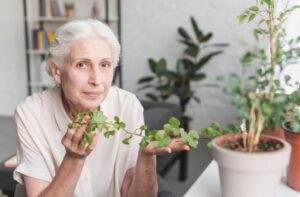
It seemed like a sentimental exaggeration to imply that a future drug would be growing next to a shed or between fence lines. However, as researchers reevaluate how many solutions might already exist outside of formal laboratories, it reads more like a practical remark these days.
Plants are not inert ornaments. They function more like independent chemical factories, silently generating chemicals that shield them from competition, fungi, insects, and dehydration. These same protective chemicals frequently have remarkably comparable effects on the human body, such as reducing inflammation, upsetting bacteria, or affecting cell division.
| Context | Key Details |
|---|---|
| Central idea | Common plants may hold future medical breakthroughs |
| Scientific focus | Bioactive compounds found in everyday greenery |
| Historical roots | Traditional remedies guiding modern research |
| Modern urgency | Antibiotic resistance and chronic illness |
| Accessibility | Many medicinal plants grow at home |
Communities observed these impacts for ages before chemistry could account for them. To ease discomfort, bark was brewed. Crushed leaves were used to halt the bleeding. To reduce fever, roots were dried. These choices, which were made repeatedly over many generations, produced an unofficial data collection that contemporary scientists today regard with newfound reverence.
This strategy is supported by pharmaceutical history. Willow trees are the ancestors of aspirin. Once utilized in traditional medicine, blooming plants are the source of life-saving cancer medications. These findings were not coincidental; rather, they were confirmations of what had already been suggested by careful observation.
The pressure has changed. As antibiotic resistance has increased, well-known therapies are becoming less and less effective. Treatments for chronic illnesses must be gentle yet tenacious. Plant chemistry is especially helpful in this regard, providing intricate compounds that have developed to work with living systems rather than overpower them.
To the untrained eye, many of the applicants under inquiry appear normal. Dandelions are being investigated for liver support and metabolic regulation after being written off as lawn pests. When its ingredients are correctly separated, broadleaf plantains, which are frequently found along sidewalks, show promise in wound healing and inflammation management.
There’s also a lot of interest in kitchen herbs. Beyond its culinary use, thyme has oils that, in scientific tests, exhibit noticeably better antibacterial activity. The immune response modulation properties of echinacea are still being investigated, and studies on dosage and timing are getting more accurate.
Surprisingly intricate is even aloe, a common sight on sunny windowsills. Compounds in its gel have antibacterial, immunological-signaling-influencing, and tissue-calming properties. What used to seem anecdotal is now being measured, classified, and put through rigorous testing.
These plants are attractive for reasons other than chemistry. Many can be grown locally, require few resources, and are surprisingly inexpensive to cultivate. That accessibility may eventually result in resilience rather than dependency for healthcare systems under stress.
But caution tempers exhilaration. Not all conventional treatments work, and several plants include substances that can be dangerous if taken improperly. There is scientific validation to distinguish promise from conjecture, substituting unusually clear proof for speculation.
Ethnobotanists are becoming more and more apparent as they document the ways in which plants have been utilized in various civilizations and spot trends that merit more research. By converting lived experience into theories that can be effectively tested in labs, their work serves as a bridge.
A vast chemical library remains mostly unexplored, with only a small portion of the known plant species having undergone thorough analysis. Certain substances may function through processes that are not found in any already prescribed medication, providing possibilities that traditional drug design may never be able to achieve.
Discovery is being accelerated by technology. Scientists can now anticipate biological interactions before actual testing starts thanks to advanced analytics, which drastically cuts down on time and expense. Researchers can more accurately rank the most promising possibilities by mapping plant genomes and chemical signatures.
Nevertheless, growth is still intentional. Compound isolation is just the first step. It needs to be assessed across a range of demographics, tested for safety, and improved for efficacy. Along the road, many failures occur, but each one narrows the area and improves comprehension.
Additionally, synergy is becoming more and more valued. Combinations are important, as evidenced by the fact that traditional treatments frequently used whole plants rather than individual chemicals. Once centered on individual chemicals, modern science is currently reevaluating that reductionist tendency.
This does not encourage haphazard home experimenting. The distinction between danger and cure frequently comes down to context, focus, and readiness. The purpose of scientific procedures is to carefully handle those variables.
The more general change in perspective is what is truly encouraging. Nature is no longer portrayed as an antiquated source that has been superseded by artificial chemistry. Increasingly, it is seen as a collaborator that provides blueprints that have been honed over millions of years.
Urgency is increased by environmental stressors. Potential remedies can go before they are even identified as biodiversity degrades. These days, there are particularly creative connections between conservation and medicine that relate ecological care to human health results.
A plant that has been trampled underfoot for decades may be the source of the next big breakthrough. Its worth was disregarded not because it lacked strength but rather because it was simple to overlook due to familiarity.
Looking further forward does not always lead to progress. Sometimes it comes from looking down, recognizing that possibility has been growing patiently nearby, waiting for attention rather than invention.